What Is Palliative Care In A Care Home?
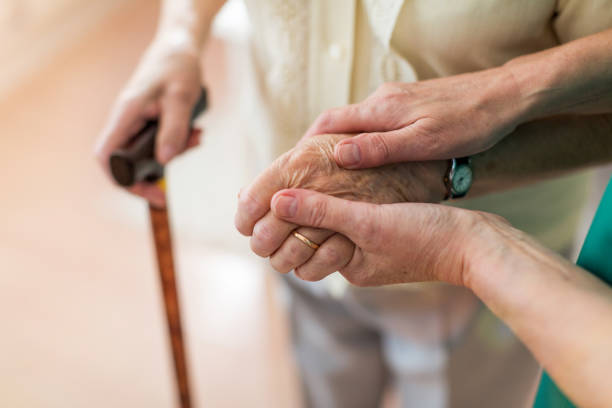
When someone is told they have a serious illness or terminal diagnosis, it is a difficult and emotional time for everyone involved. Palliative care aims to ease that burden by providing care that is centred on comfort and quality of life. In a care home setting, this approach can be especially reassuring because residents can receive consistent support in familiar surroundings.
For many families, understanding what palliative care actually involves can help make future decisions feel less overwhelming. In this blog, we will explore what palliative care is, how it is offered in a care home setting, the role of a palliative care nurse and how a person-centred approach makes a transformative difference to the quality of care provided.
What Palliative Care Means
Palliative care is sometimes confused with end-of-life care, but it can begin much earlier and is not a final option. It is often offered alongside other treatments when someone is living with an incurable illness or life-limiting condition, but can last for months or even years. The aim is to support comfort and help the individual maintain the best possible quality of life.
Palliative care focuses on the person’s needs rather than the diagnosis alone. This may include managing symptoms and offering emotional support to both residents and their families. It is a form of care that adapts over time, because the individuals' needs may change as their health progresses.
How Palliative Care is Provided in a Care Home
A care home in Wiltshire can offer palliative care through a coordinated team that works closely with other care home staff, external healthcare professionals, community nurses and sometimes social care professionals. The aim is to make sure each resident receives the right care at the right time, without unnecessary disruption.
A care plan plays an important role in this process. It helps the care team understand the resident’s preferences, comfort needs, treatment wishes and how support should be delivered each day. The care plan will follow residents throughout every step of their journey and shape the support provided to ensure it encompasses their every need.
In many cases, palliative care services in a care home also help avoid repeated moves between services. Rather than moving from one setting to another, residents can often remain where they are long-term, with support from care professionals who understand their situation.
What Does a Palliative Care Nurse Do?
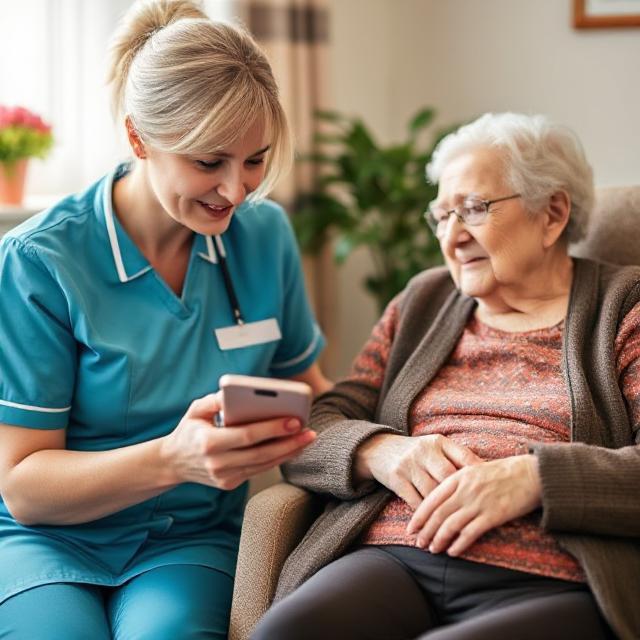
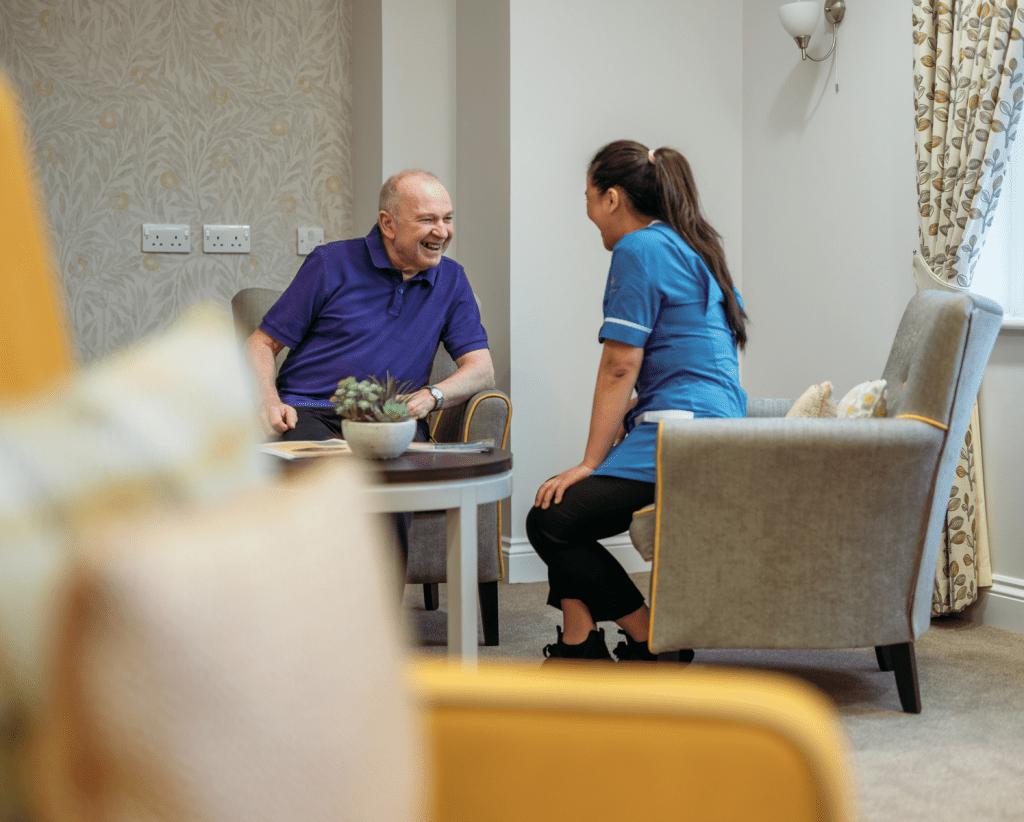
A palliative care nurse has an important role in supporting residents with a terminal illness or life-limiting condition. They are trained to recognise and promptly respond to any changes in physical symptoms or overall well-being. Their role can make a significant difference to how settled and comfortable a resident feels.
This kind of skilled nursing care often includes pain management, symptom monitoring and guidance for other care home staff who are supporting the resident day to day. A palliative care nurse may also collaborate with district nurse teams or other external specialists when additional support is needed. They also understand the importance of supporting family members of residents, so keep them informed every step of the way.
Support For Families
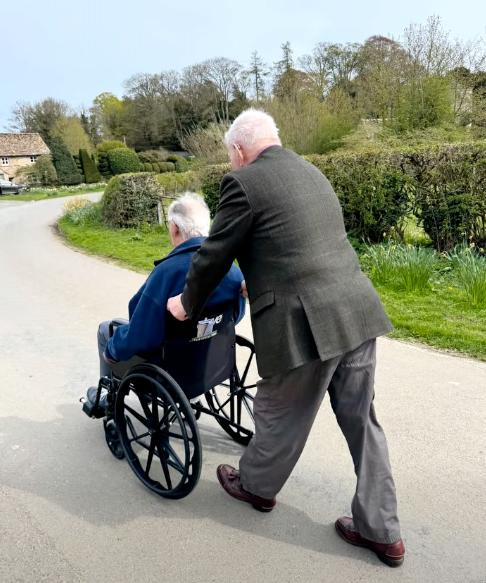
Palliative care is not only about the resident. It also provides practical support and emotional support for family members who may be coping with uncertainty and difficult decisions. Knowing that a loved one is receiving high-quality care can bring reassurance during an otherwise emotional time.
Family support may include regular updates and visits, support groups or conversations with healthcare professionals who can explain what changes may happen as needs progress. This wider support can make the journey feel less isolating.
Hospice Care and Care Homes
Some families wonder whether hospice care is the same as palliative care in a nursing home in Wiltshire. While hospice care also focuses on comfort and symptom relief, it is often delivered in a specialist clinical setting and is more associated with those requiring end-of-life care. In contrast, palliative care in a care home allows residents to receive the right support in a place that may already feel more familiar and like home.
Residing in a care home can reduce stress, avoid unnecessary disruption, provide a homely environment and ensure residents are supported by staff who know them well. For many residents, that familiarity is one of the most important parts of care.
Why Person-Centred Support Matters
High-quality palliative care should always be personal. Each resident will have different symptoms and ways they find comfort. An individual receiving palliative care may want quiet time, regular visits, spiritual support, or simply the reassurance of a calm and compassionate presence, while others may want to keep busier, maintain hobbies and thrive when they are surrounded by like-minded individuals.
This is why person-centred care is transformative in palliative care services. It ensures that the resident remains at the centre of decision-making and that care is shaped around dignity and individual preference.
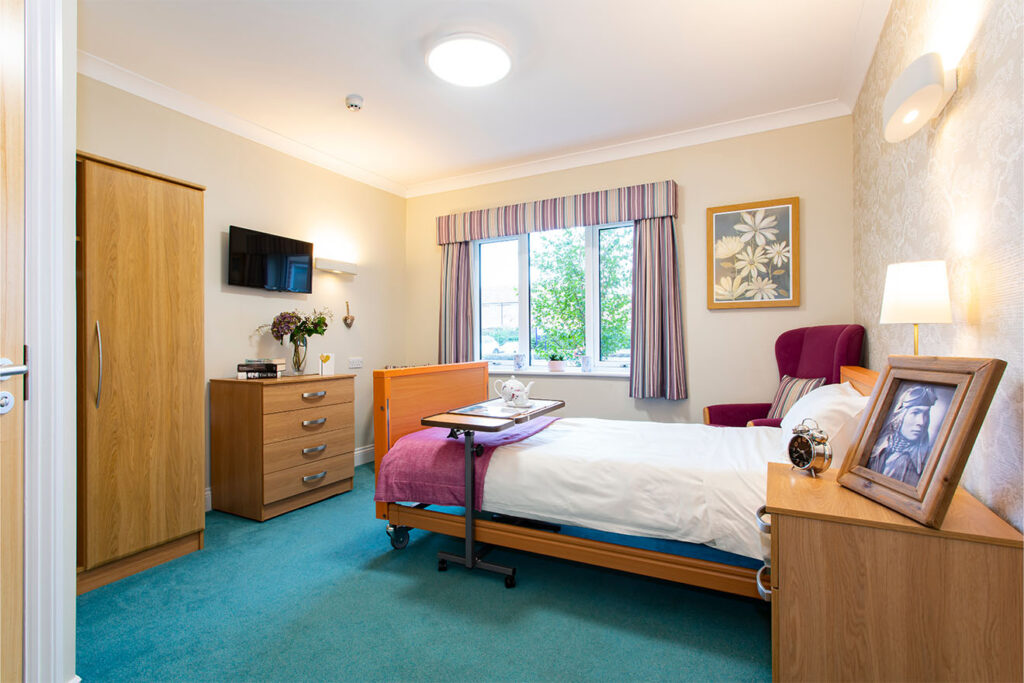
Our Gold Standard Palliative Care at Ridgeway Rise
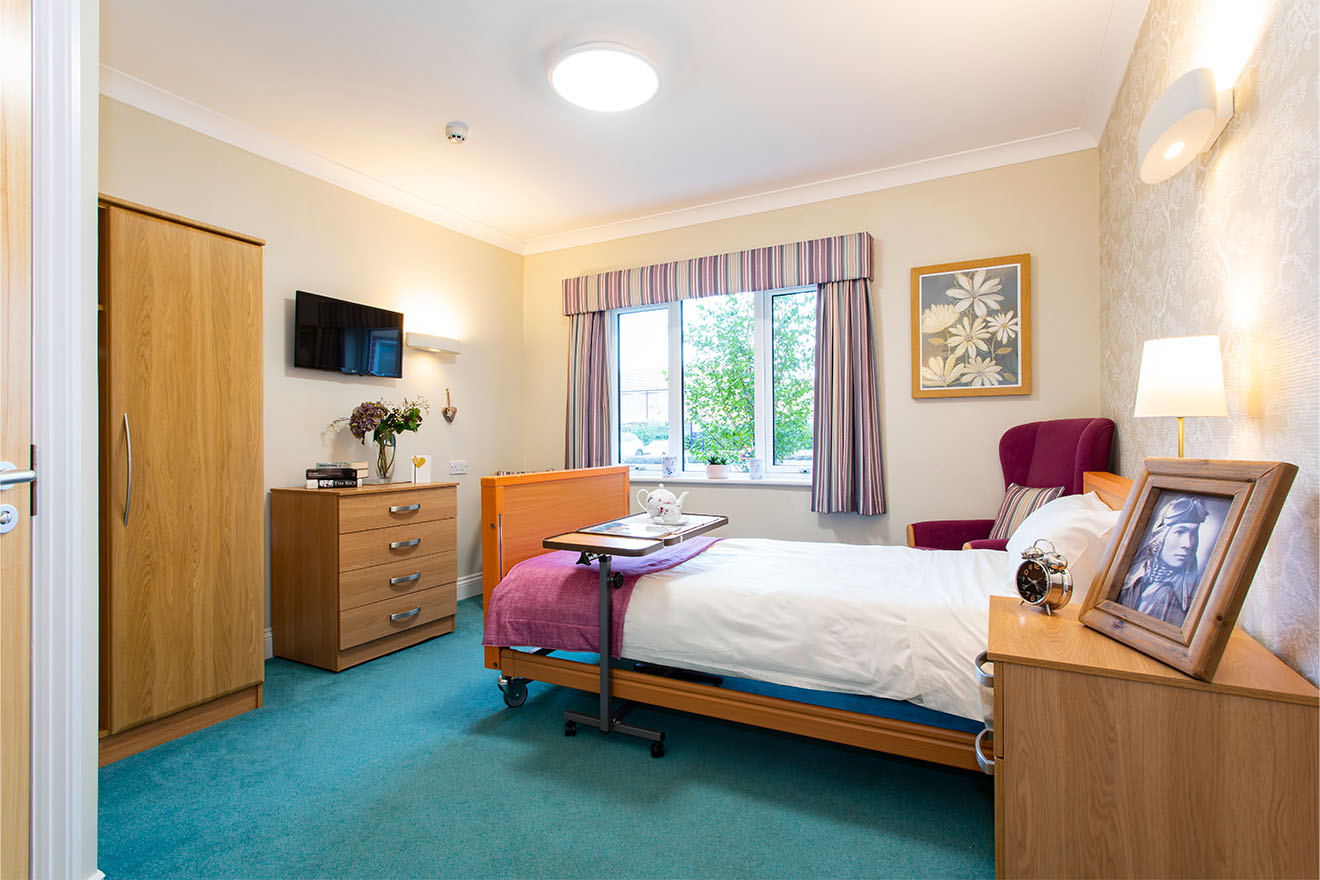
At Ridgeway Rise Care Home in Swindon, palliative care is provided with a strong focus on dignity and thoughtful support. We understand how important it is for residents and families to feel reassured when facing a life-limiting illness or terminal diagnosis, and we are proud to offer residential care, nursing care, dementia care, respite care and palliative care within one supportive setting. This means that regardless of how our residents' needs progress, they can enjoy peace of mind that they have a home for life with us at our Swindon care home.
We have an in-house palliative care team and a variety of specialists who collaborate with others to ensure residents enjoy the highest quality of life possible. We are the only care home in Swindon to hold a gold standard framework for our palliative care, which reflects our commitment to high-quality care and a compassionate approach at every stage of somebody's journey. Our care team works closely with residents, family members and external healthcare professionals to create care plans that respond to changing needs while preserving comfort and dignity.
At Ridgeway Rise, we believe palliative care should support life at all times, not only its final stage. To learn more or to explore our purpose-built care environment for yourself, book a tour. We can't wait to hear from you.